From product to pallet: the machines a packing line needs
A step-by-step guide to filling, sealing, labelling and boxing, the machine that does each job, and how to ask for a quotation.
A step-by-step guide to filling, sealing, labelling and boxing, the machine that does each job, and how to ask for a quotation.
Type a machine name or a step of the work.
No match yet. Tell us what you need and we will help. Get a quote
Step 1: Filling
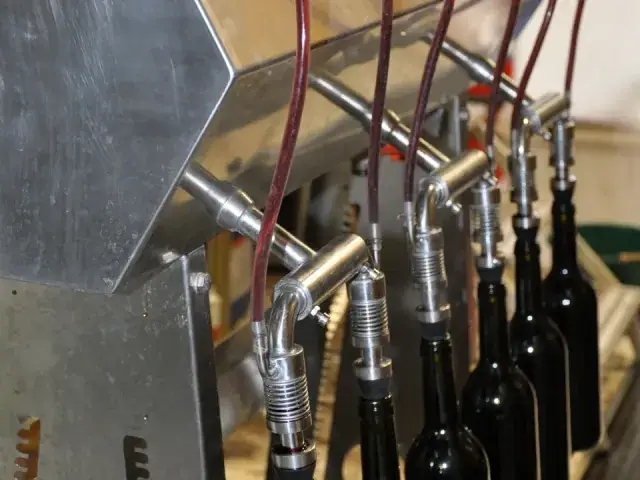
Nozzles fill bottles or jars with a measured volume of liquid, from thin juices and oils to thick sauces and creams.
Availability subject to feasibility check
Request this machineStep 1: Filling
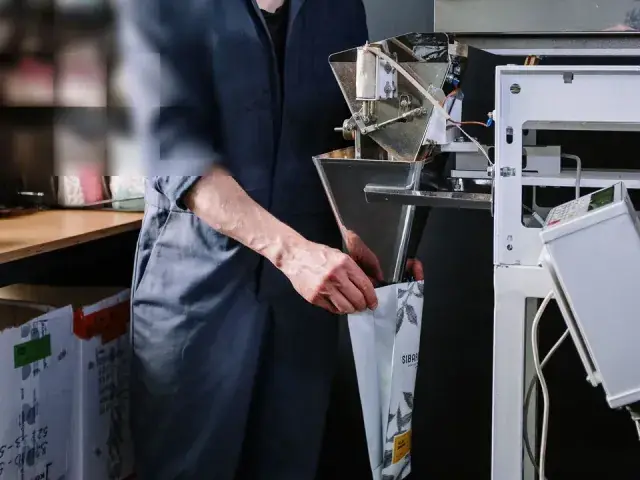
A turning screw doses a measured amount of powder, such as flour, spice or milk powder, into each pack.
Availability subject to feasibility check
Request this machineStep 1: Filling
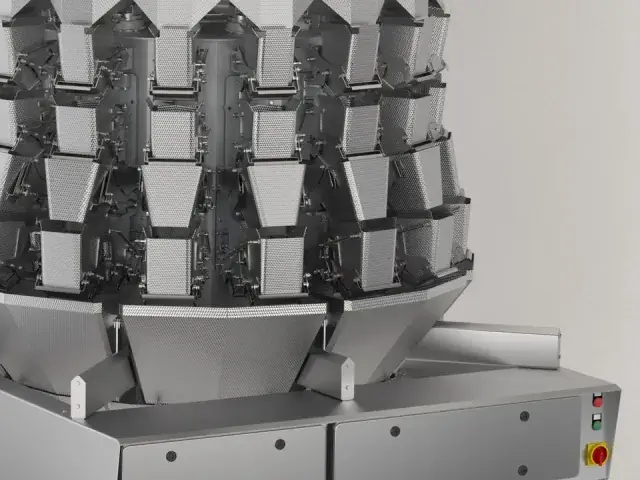
Many small weigh buckets work together and pick the combination closest to the target weight, for snacks, sweets or frozen foods.
Availability subject to feasibility check
Request this machineStep 2: Sealing and capping
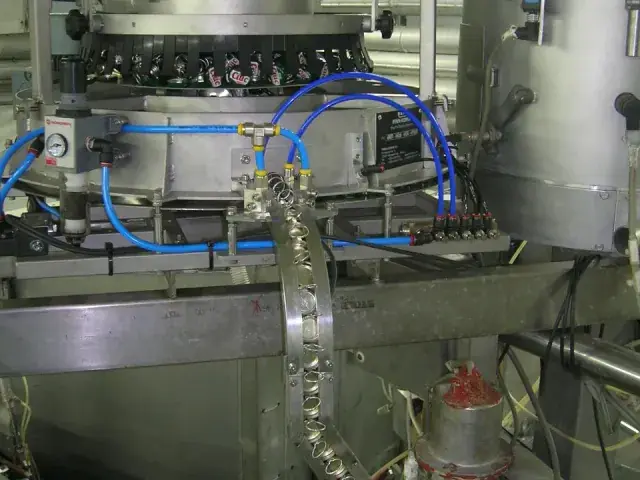
Places caps on filled bottles and screws or presses them tight, to the same torque every time.
Availability subject to feasibility check
Request this machineStep 2: Sealing and capping
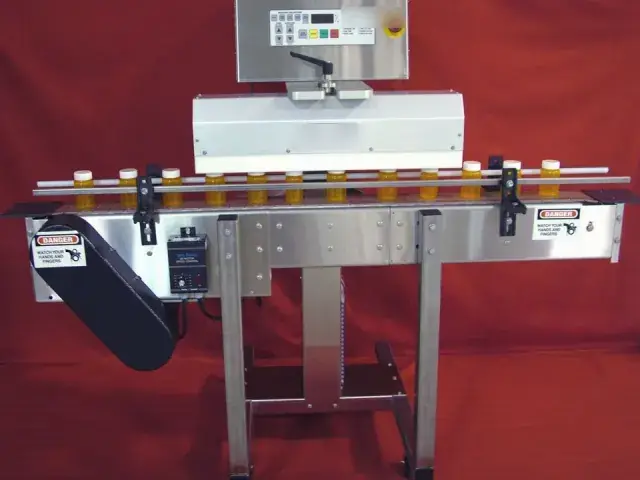
Heats the foil liner inside a cap without touching it, bonding it to the container mouth as a leak-proof, tamper-evident seal.
Availability subject to feasibility check
Request this machineStep 2: Sealing and capping
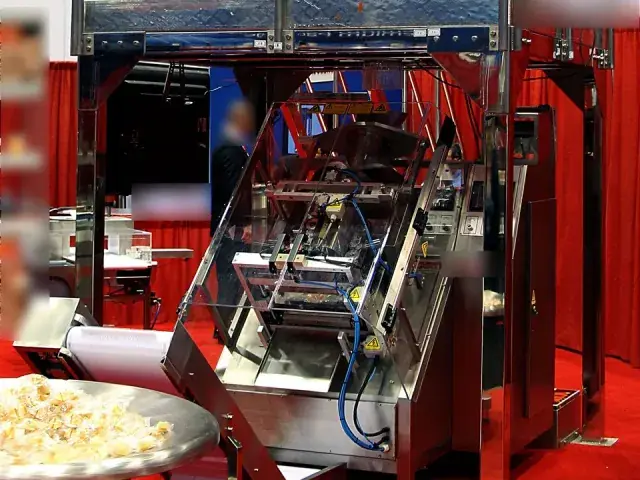
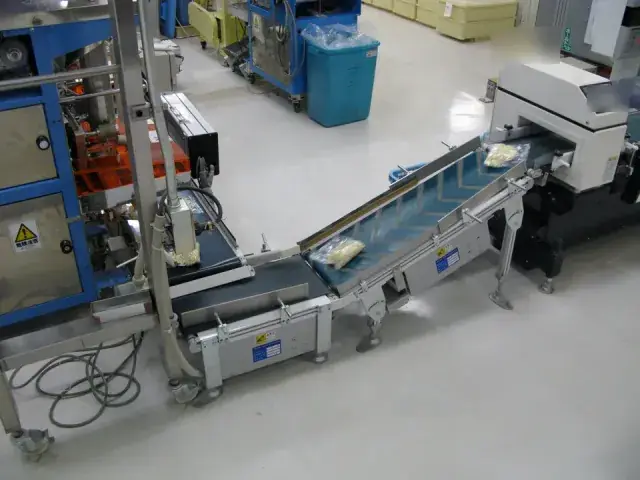
Forms bags from a roll of film, fills each one with product and seals it, all in one continuous machine.
Availability subject to feasibility check
Request this machineStep 3: Labelling and coding
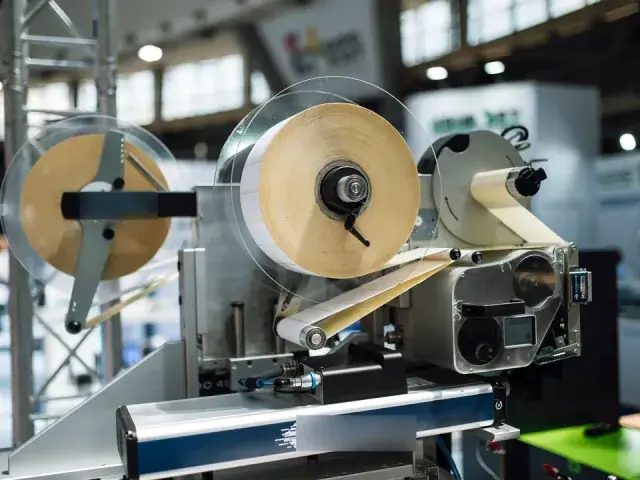
Applies self-adhesive or wrap-around labels to bottles, jars and boxes in exactly the same place each time.
Availability subject to feasibility check
Request this machineStep 3: Labelling and coding
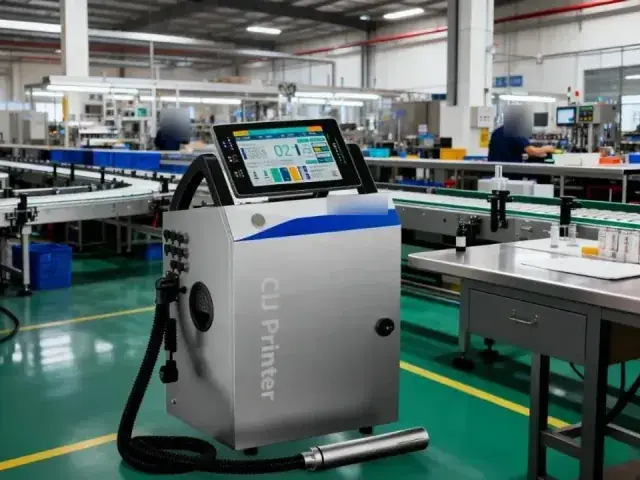
Prints the batch number and the manufacturing and expiry dates on each pack as it passes.
Availability subject to feasibility check
Request this machineStep 4: Checking
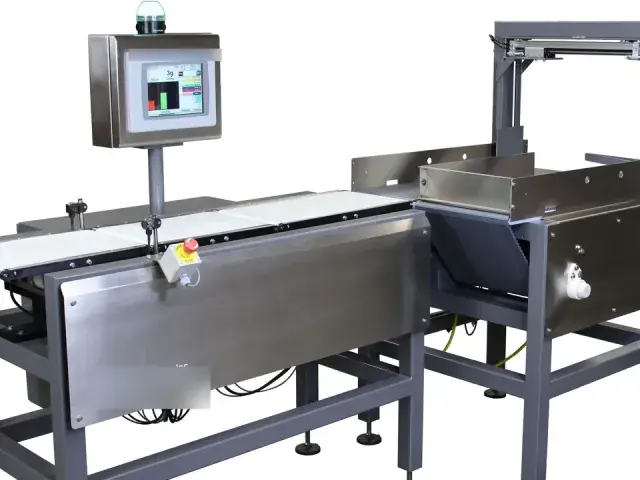
Weighs every pack on a moving belt and pushes off any that are under or over the set weight.
Availability subject to feasibility check
Request this machineStep 4: Checking
A detection head around the conveyor that finds metal pieces in food or medicine packs and rejects those packs.
Availability subject to feasibility check
Request this machineStep 5: Cartoning and case packing
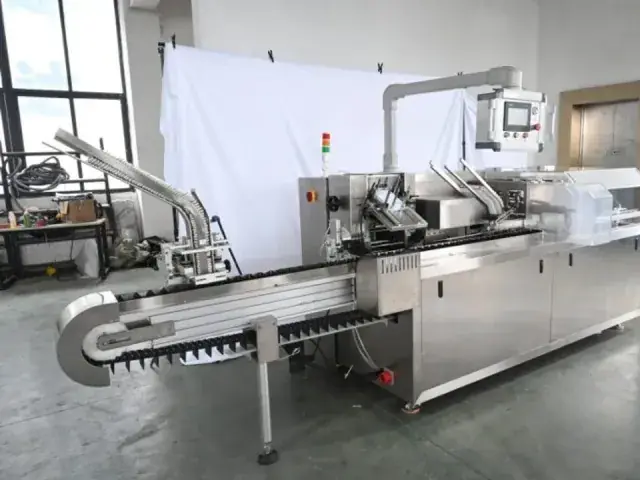
Opens flat cartons, loads the products in and closes the flaps or glues them shut.
Availability subject to feasibility check
Request this machineStep 5: Cartoning and case packing
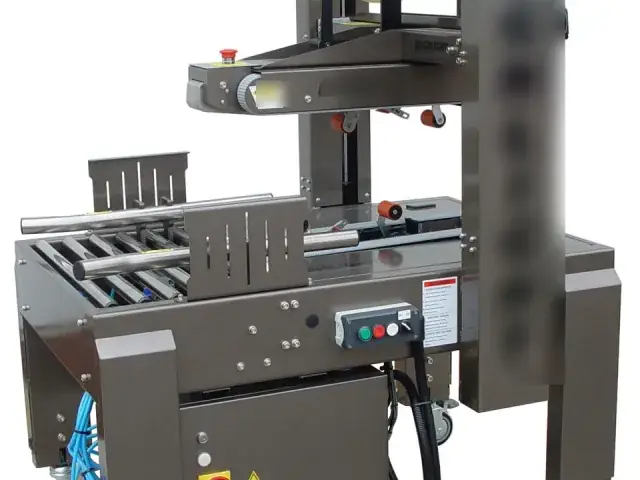
Folds the top flaps of filled shipping cartons and tapes them closed, top and bottom.
Availability subject to feasibility check
Request this machineStep 6: Palletising and wrapping
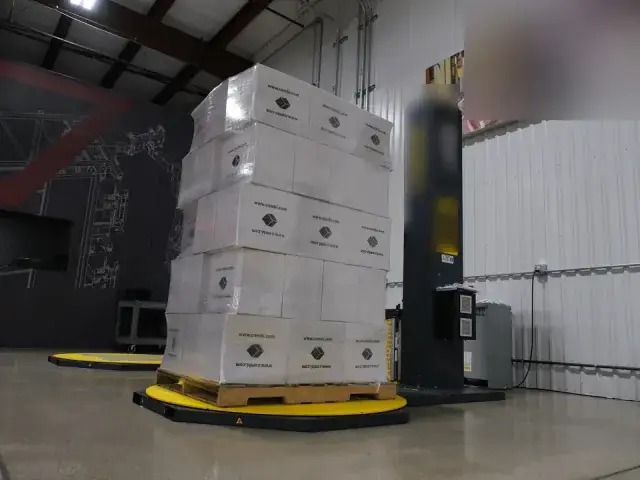
Turns a loaded pallet while stretch film winds around it, holding the cartons together for transport.
Availability subject to feasibility check
Request this machineStep 6: Palletising and wrapping
Wraps a plastic strap around a carton or bundle, pulls it tight and seals the ends together.
Availability subject to feasibility check
Request this machineThe main steps of a packing line for food, medicine, cosmetics or chemicals, and the type of machine that usually does each one.
The product is measured into bottles, jars, pouches or bags, by volume or by weight.
Machines at this step: Liquid filling machine, Auger filler for powders, Multihead weigher
Containers are capped or sealed so nothing leaks and the pack shows if it has been opened.
Machines at this step: Capping machine, Induction sealer, Form-fill-seal machine
Labels are applied, and each pack is printed with its batch number and dates.
Machines at this step: Labelling machine, Inkjet or laser coder
Packs are checked for the right weight and for metal pieces, and any faulty pack is pushed off the line.
Machines at this step: Checkweigher, Metal detector
Packs are put into cartons and the cartons into shipping cases, which are then taped shut.
Machines at this step: Cartoning machine, Carton sealer
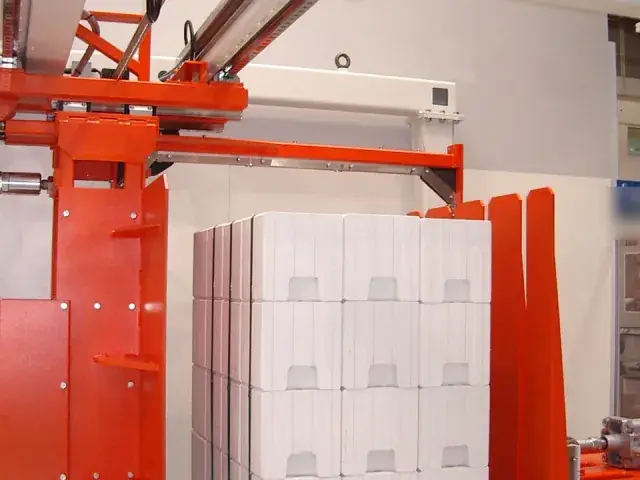
Cases are stacked on pallets, wrapped in film and strapped so they travel safely.
Machines at this step: Stretch wrapping machine, Strapping machine
See the machines that print, cut, fold and glue labels and cartons.